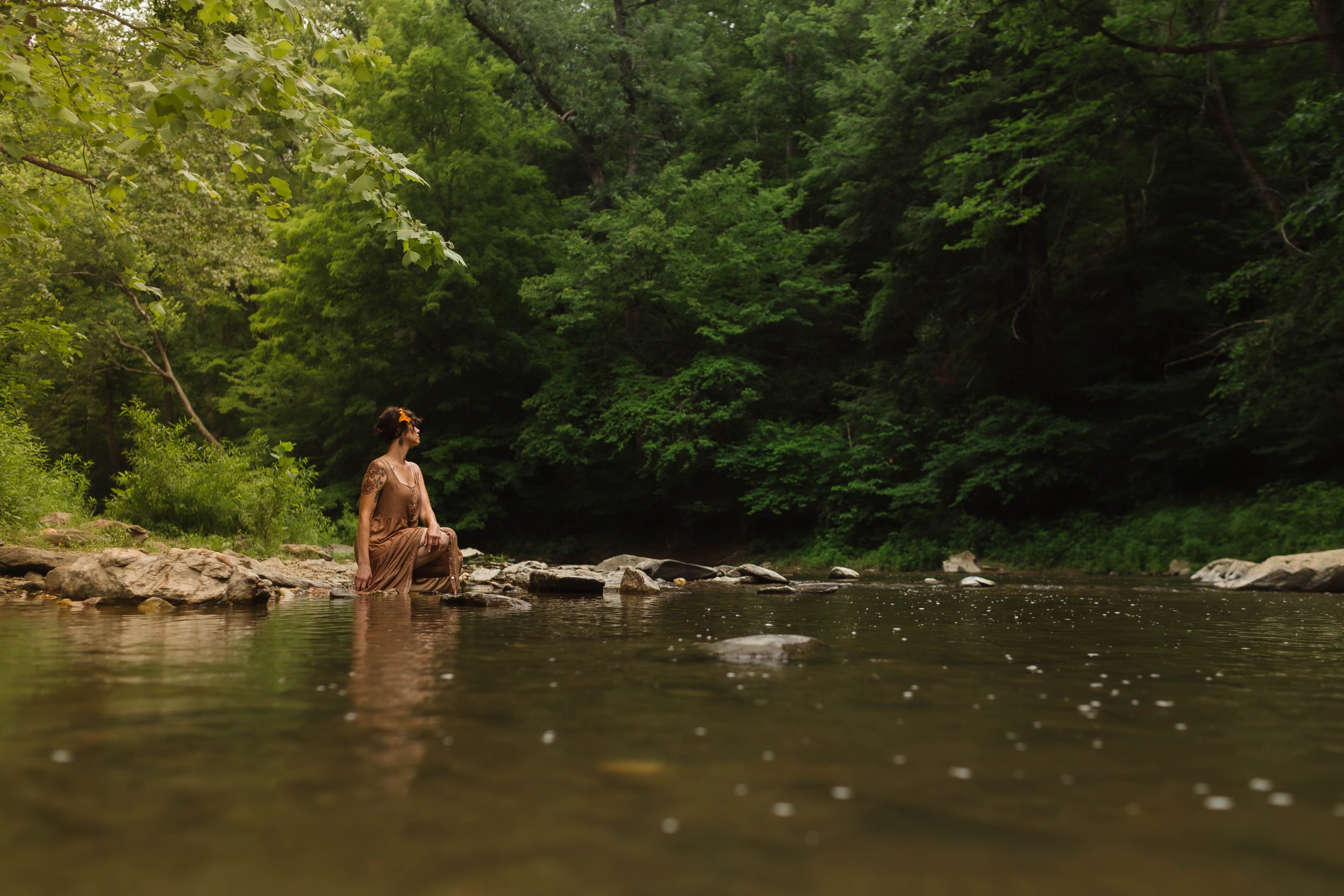
for the one ready to explore the roots of their inner ecosystem.
The InnerRoots™ Facilitator Manual, coming Winter 2026, offers a trauma-informed, body-based framework for nature-based practice, bringing together ecological principles, sensory awareness, and gentle reflection.
as human beings, we are meant to belong.
Our inner lives long to grow, root, adapt, and move through seasons of rest and change. In a world that asks for constant output, healing needs more than insight. It needs space, steadiness, and a way of working that can honor your pace without asking you to perform.
InnerRoots begins from a simple understanding:
we are not separate from nature.
The same patterns that shape forests, rivers, and seasons also shape the inner ecosystem: growth and rest, adaptation and resistance, rupture and repair. InnerRoots does not try to fix what is wrong or push for transformation before the system is ready. It creates the conditions for awareness and sustainable change to take root: through sensory attention, relationship with place, and gentle reflection.
Together we slow down enough to listen. Through Arrive, Sense, Reflect, and Integrate, there is guidance without pressure, and structure without rigidity. You are invited back to what is immediate and real: sky, air, ground, breath, season, the feeling that has just arrived.
Over time this becomes more than a series of sessions. It becomes a way of meeting yourself with care, not by becoming someone else, but by returning to what is already here.

InnerRoots sees the self as a living system: adaptive, relational, shaped by place, always in some process of becoming. Each session follows a simple arc so that view can be practiced, not just understood.
The Rhythm of InnerRoots
ARRIVE
We settle, orient, and come into contact with the present moment.
SENSE
Through body and senses, we notice what the natural world is offering, and what begins to stir within.
INTEGRATE
From direct experience, meaning starts to emerge: what was noticed, what it brought up, what feels significant.
REFLECT
We close by carrying forward an insight, image, sensation, or invitation that can keep unfolding after we part.
The InnerRoots Manual
A grounded guide for people who want to hold this work in their own setting.
The manual is for facilitators, therapists, educators, and care staff who need a structure that is clear enough to trust and spacious enough to adapt. It offers the philosophy, the one-hour session arc, and the 12-week journey , without asking you to perform a perfect forest, a perfect script, or a perfect version of the work.
Nature, here, is whatever is present: a woodland, a courtyard, a window, a stone, the body itself.
What You Recieve

An ecological view of the self. Trauma-informed and body-based roots. How to practice on real land, in real rooms, with real nervous systems.
The Foundations

How Arrive, Sense, Reflect, and Integrate unfold inside 60 minutes. Includes timing as a guide, not a rule.
The Sessions

The 12 Week Journey
Each week held by one ecological principle: theme, intention, nature practice, reflection, and a gentle close.
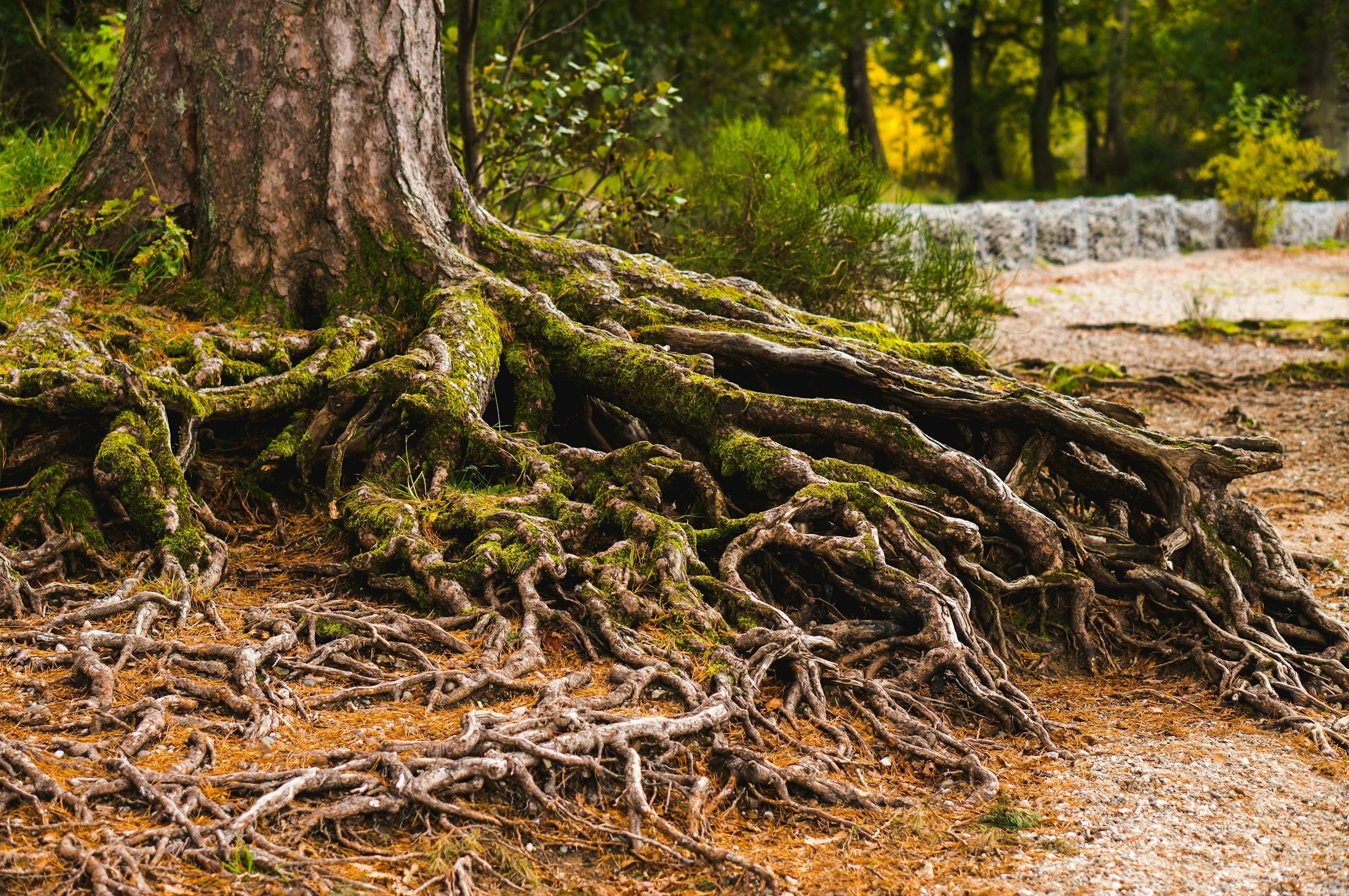
Guidance for full outdoor immersion to a single room, so no one is excluded because of geography, mobility, or setting.
Adaptations
Be the first to know
Coming Winter 2026
Leave your email below, and be the first to know when the InnerRoots Manual is available.
You’ll also receive any updates about its release as winter approaches.

About Me
Antoinette Vasseur, CNIT, CPD
My path began in land-based permaculture design. From there, I moved into therapeutic garden design and the development of nature-based therapeutic programs. As my work shifted from tending landscapes to supporting people, a question began to take root:
If ecological principles can help us design resilient landscapes, what might they teach us about tending our inner lives?
InnerRoots grew from that question.
I approach the self as a living ecosystem, shaped by relationship, responsive to its surroundings, and moving through seasons of growth, rest, and change. In the spaces I hold, understanding comes not only through conversation, but through sensation, experience, and attention to the living world.
My approach is gentle, grounded, and trauma-informed. I pay close attention to pacing, consent, and the choices that help each person participate in a way that feels right for them. There is room to pause, to adapt, and to leave something unfinished. You do not need to arrive with the right words or turn every experience into an insight.
What matters to me is offering steady companionship and a structure spacious enough for reflection to unfold without force. Together, we notice what is present, what offers support, and what may need care.
I also hold this work with respect for the ecological wisdom that informs it - wisdom that belongs to the living world and long predates modern frameworks. I bring gratitude, humility, and a willingness to keep learning into my relationship with both place and practice.